Tree Health Monitoring — Canada

Recognizing Dutch Elm Disease Before It Spreads

Dutch elm disease has reshaped the urban forests of Ontario, Manitoba, Alberta, and beyond. This resource covers the visible signs of infection, the role of bark beetles in disease transmission, and the practical steps elm owners take to protect surviving trees.
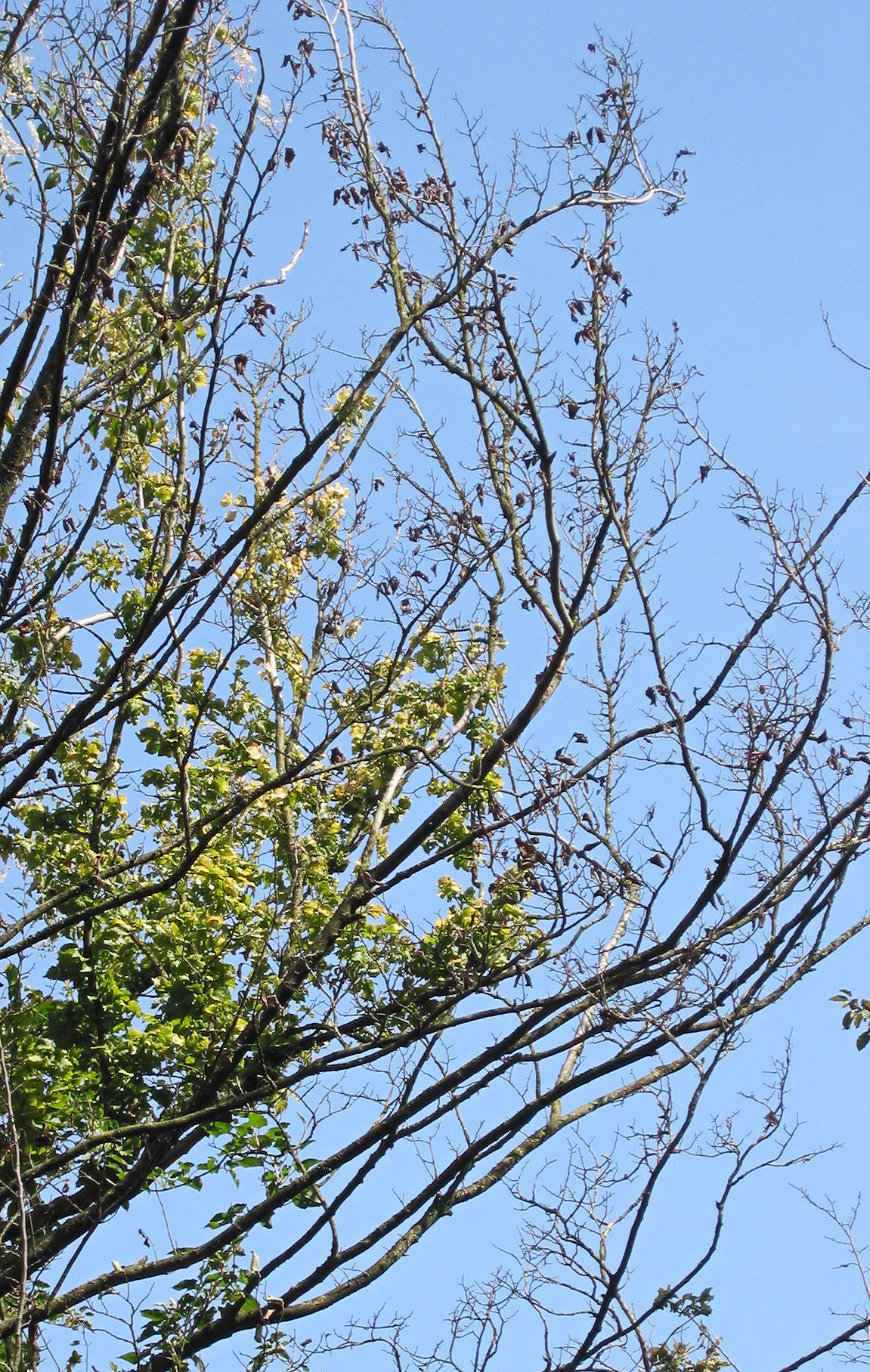
Dutch elm disease — yellowing and wilting foliage on an infected elm tree

Elm Health Guides

Practical, evidence-based information on identifying disease, understanding vectors, and deciding when professional assessment is needed.

Foliage wilting from Dutch elm disease infection

Identifying Dutch Elm Disease Symptoms: A Visual Field Guide

Flagging, yellowing, and brown streaking in the sapwood are among the earliest indicators. Learn how to distinguish DED from drought stress and other common elm conditions.

Read article →
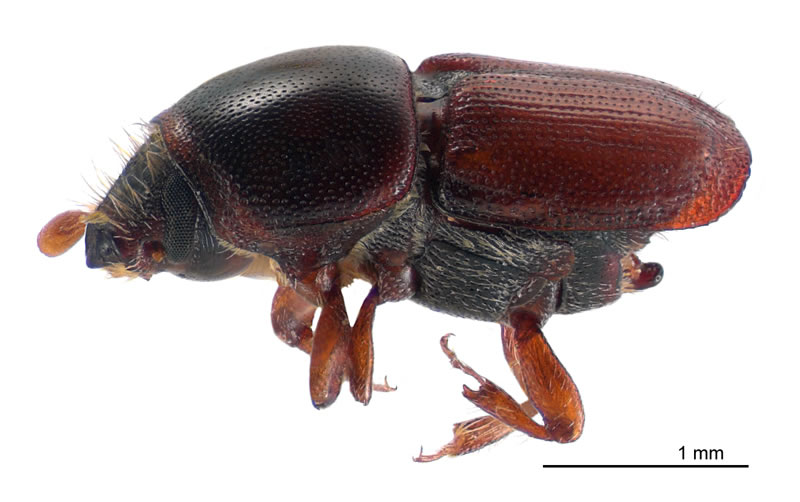
Scolytus multistriatus — European elm bark beetle lateral view

Elm Bark Beetles in Canada: Life Cycle, Spread, and Monitoring

Two beetle species are responsible for transmitting the DED fungus between trees. Understanding their seasonal activity helps property owners time inspections correctly.

Read article →
Certified arborist climbing a tree for inspection

When to Contact an Arborist for Elm Tree Concerns

Not every yellowing branch signals Dutch elm disease, but delayed assessment can accelerate loss. This guide outlines the signs that warrant professional evaluation.

Read article →

What to Look for on Your Elm

Dutch elm disease progresses quickly during warm months. Catching it in the flagging stage — before it moves into the main trunk — is the most important factor in managing its spread.

  • Sudden wilting and curling of leaves on one or more branches (flagging)
  • Yellow or brown discolouration of leaves beginning mid-summer
  • Brown or olive-green streaking in the outer sapwood when a twig is cut
  • Small D-shaped or oval exit holes in the bark from bark beetles
  • Sawdust-like frass accumulating at the base of branches
  • Premature leaf drop on otherwise healthy-appearing limbs
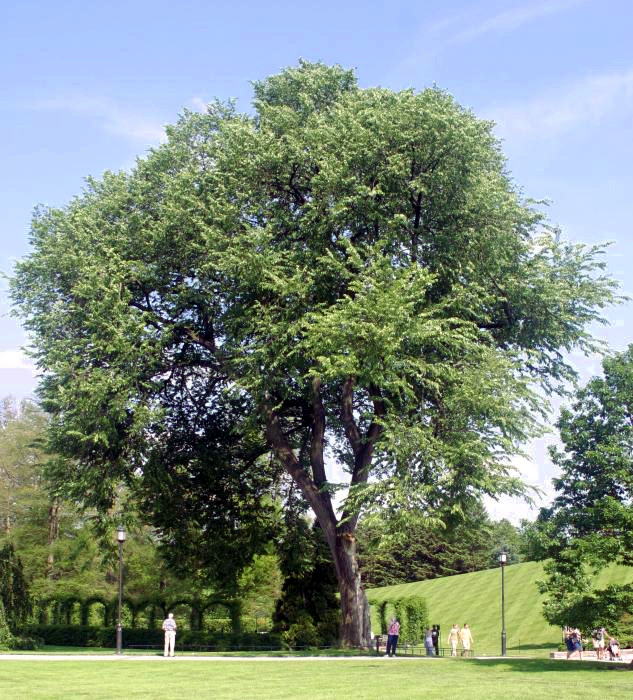
American elm tree — Ulmus americana in a park setting

Dutch Elm Disease in Canada

Dutch elm disease (DED) is caused by the fungal pathogen Ophiostoma ulmi and, more recently, the more aggressive strain Ophiostoma novo-ulmi. The disease was first detected in Canada in the 1940s. It has since caused the loss of millions of elm trees in cities including Winnipeg, Edmonton, Calgary, and Toronto.

Canadian municipalities with significant elm populations have developed active management programs. Winnipeg, which maintains one of the largest urban elm populations in North America, has managed DED through a combination of aggressive pruning, sanitation logging, and fungicide injection for high-value specimens.

The disease does not spread through soil or direct tree contact alone. It moves through two main routes: root graft connections between adjacent elms, and transport by elm bark beetles carrying fungal spores on their bodies. Interrupting one or both pathways is central to municipal management strategies.

The Canadian Food Inspection Agency (CFIA) regulates the movement of elm wood and firewood to prevent the spread of bark beetles and DED-infected material across provincial boundaries.


Send an Inquiry

Use this form to submit questions or feedback. This is an informational resource — for urgent tree health concerns, contact a certified arborist directly.